Emerging Trends in Pest Control: A Focus on Efficacy and Environmental Responsibility

Emerging Trends in Pest Control: A Focus on Efficacy and Environmental Responsibility

The pest control products development market continues to expand as public health concerns, agricultural productivity demands, and urban growth intensify the need for effective pest management solutions. Developers design products that target insects, rodents, weeds, fungi, and other harmful organisms that threaten crops, infrastructure, and human health. As global populations increase and food systems face pressure from climate change and resource constraints, manufacturers must create safer, more efficient, and environmentally responsible pest control solutions.

Setting the Standard for Indoor Air Quality Services

Setting the Standard for Indoor Air Quality Services

Indoor air quality has moved from a background compliance concern to a board-level issue for organizations managing complex facilities. Executives responsible for environmental oversight face a layered challenge. Workplaces must meet regulatory expectations, protect workers and occupants and maintain continuity across projects that often involve legacy materials such as asbestos or recurring exposure risks such as mold. Poor air quality decisions rarely fail loudly at the outset. Instead, they surface later through health complaints, halted projects or regulatory scrutiny that could have been prevented through disciplined preparation and informed execution.

Driving Change: Environmental Regulations and the Future of Waste Recycling

Driving Change: Environmental Regulations and the Future of Waste Recycling

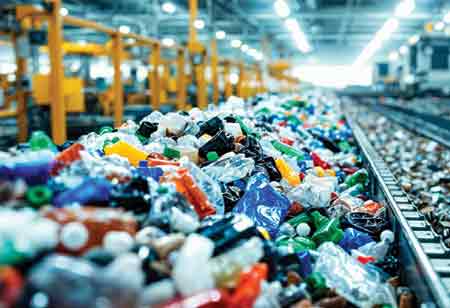
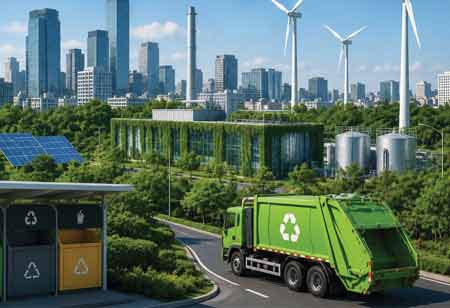
Environmental regulations are reshaping the global waste-recycling industry by pushing businesses and municipalities toward cleaner, more accountable disposal systems. Governments are no longer viewing recycling as a secondary environmental effort. It has become part of broader sustainability frameworks that influence manufacturing, logistics, packaging and industrial operations. Recycling providers are adapting quickly to meet stricter standards while also responding to rising expectations from consumers and investors.

Turning Waste and Recycling Into a Managed Cost Discipline

Turning Waste and Recycling Into a Managed Cost Discipline

Commercial waste and recycling services sit in an odd place on the expense ledger. They get paid monthly, they affect tenants and visitors, yet few property teams have the time or background to examine them closely. For executives selecting waste recycling services, the buying decision is less about hauling and more about control. That means knowing who reads the data, understands site conditions and keeps routine service from becoming a quiet source of avoidable cost.

Innovative Approaches in Packaging Engineering: Technology and Sustainability

Innovative Approaches in Packaging Engineering: Technology and Sustainability

Engineering and producing packaging solutions has become a highly advanced, technology-driven discipline where equipment plays a decisive role in shaping quality, efficiency, and scalability. In modern industries, success in packaging depends largely on how effectively organizations integrate advanced equipment into design, testing, manufacturing, and distribution processes is only possible through the use of specialized equipment and intelligent manufacturing systems that reduce manual dependency and enhance operational control. From high-speed production machines to smart inspection systems, technology has become the backbone of packaging engineering.

The Gold Standard for Sustainable Flexible Packaging

The Gold Standard for Sustainable Flexible Packaging

Manufacturing executives now evaluate packaging through a tighter lens than cost, appearance and throughput alone. Extended Producer Responsibility rules are pushing brands to understand what their packaging is made of, how much material it uses, whether it can move through recycling systems and whether any change will protect the product as reliably as the existing structure. Pressure is especially sharp in food, pet food, chemical and lawn markets, where packaging decisions affect shelf life, filling efficiency, freight economics and compliance exposure simultaneously.

Evolution of Sustainable ESG Investment Services

Evolution of Sustainable ESG Investment Services

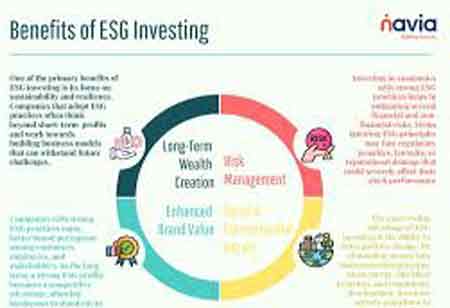
Sustainable ESG investment services have moved from the margins of financial markets into the core of global capital allocation. Environmental, social, and governance considerations now influence how asset managers, institutional investors, banks, and corporations evaluate risk, opportunity, and longterm value creation. Climate change, social inequality, supply chain transparency, and corporate governance failures have demonstrated that financial performance cannot be separated from non-financial factors.

Guiding The Future of Mosquito and Termite Control

Guiding The Future of Mosquito and Termite Control

Mosquitoes and termites are no longer predictable seasonal nuisances. Climate shifts, urban density and the spread of invasive species are expanding their geographic reach while regulatory bodies continue to restrict broad-spectrum insecticides. Resistance to legacy chemistries compounds the pressure. Public health agencies, pest control operators and property stakeholders face a widening gap between rising biological threats and a shrinking set of acceptable control tools. Disease vectors such as dengue, Zika and chikungunya are appearing in regions once considered low risk. Termite damage continues to generate costly disputes when prevention systems fail to intercept colonies before structural harm occurs.

Pioneering Solutions in Environmental and Ecological Services

Pioneering Solutions in Environmental and Ecological Services

In the last few years, the environmental and ecological consulting sector has witnessed an undeniable shift, driven by both urgency and innovation. As the global community grapples with the intensifying effects of climate change, ecological degradation, and resource depletion, the demand for comprehensive, strategic, and forward-thinking consultancy services has surged. Industry players are now focused on integrating cutting-edge technologies, sustainable practices, and an interdisciplinary approach to help organizations navigate the complexities of environmental stewardship.

Selecting Commercial Composting Solutions for Sustainable Waste Management

Selecting Commercial Composting Solutions for Sustainable Waste Management

Commercial composting has moved from niche environmental practice to core infrastructure within environmental and waste management technology. Municipalities, private operators and industrial generators face rising organic waste volumes, tighter odor controls and growing public scrutiny. Disposal costs continue to climb while landfill diversion mandates intensify. Executives responsible for composting investments must therefore weigh more than equipment specifications. They are committing to a long-term processing model that must withstand regulatory oversight, neighborhood pressure and fluctuating feedstock volumes.

Navigating the Evolving Landscape of Indoor Air Quality Services

Navigating the Evolving Landscape of Indoor Air Quality Services

Indoor air quality (IAQ) services play a vital role in protecting public health, enhancing comfort, and ensuring safe environments in residential, commercial, industrial, and institutional settings. Recent global health events, rising awareness of environmental health, and growing regulatory emphasis on building performance have propelled demand for comprehensive IAQ services. The services encompass air quality assessment, monitoring, remediation, ventilation system design, and ongoing maintenance. Businesses and homeowners increasingly invest in IAQ services to ensure safer, healthier indoor spaces that support productivity and quality of life.

Organic Waste Reimagined: Commercial Composting as a Sustainable Solution

Organic Waste Reimagined: Commercial Composting as a Sustainable Solution

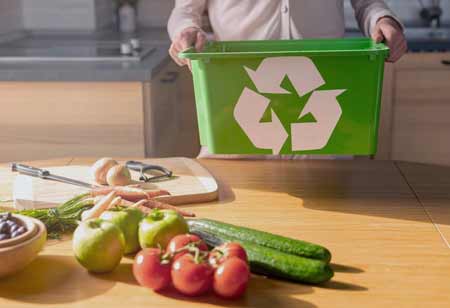
Commercial composting solutions have become an essential component of modern sustainability frameworks as organizations seek efficient ways to manage organic waste and support regenerative resource cycles. These solutions transform biodegradable materials into nutrient-rich compost that enhances soil health, strengthens ecological balance, and reduces dependence on landfill disposal.